
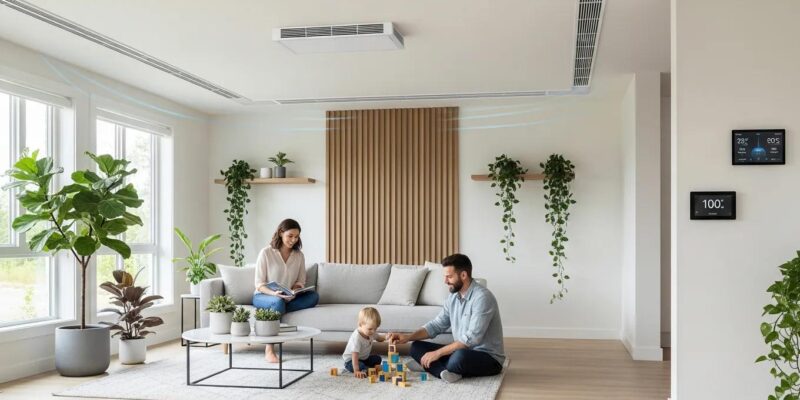
Building Science Insights from Alquimia Inc.
By Fulton Davenport, Alquimia Inc.
Indoor air quality (IAQ) is a critical aspect of health and comfort in custom homes, significantly impacting the well-being of residents. This article delves into the importance of maintaining high IAQ, particularly through advanced ventilation solutions and building science principles. Homeowners often face challenges related to pollutants and humidity, which can compromise air quality. By understanding the mechanisms behind IAQ and the solutions available, homeowners can create healthier living environments. We will explore various aspects of IAQ, including premium ventilation solutions, building science expertise, and specific applications in Houston’s unique climate.
Indoor Air Quality (IAQ)
Indoor air quality (IAQ) refers to the condition of the air within buildings, particularly as it relates to the health and comfort of occupants. It is influenced by various factors, including the presence of pollutants, humidity levels, and ventilation systems. Maintaining good IAQ is essential, as poor air quality can lead to health issues such as respiratory problems, allergies, and other long-term health effects. Effective design and construction practices play a crucial role in controlling indoor pollutants and ensuring a healthy living environment.
Premium Ventilation Solutions
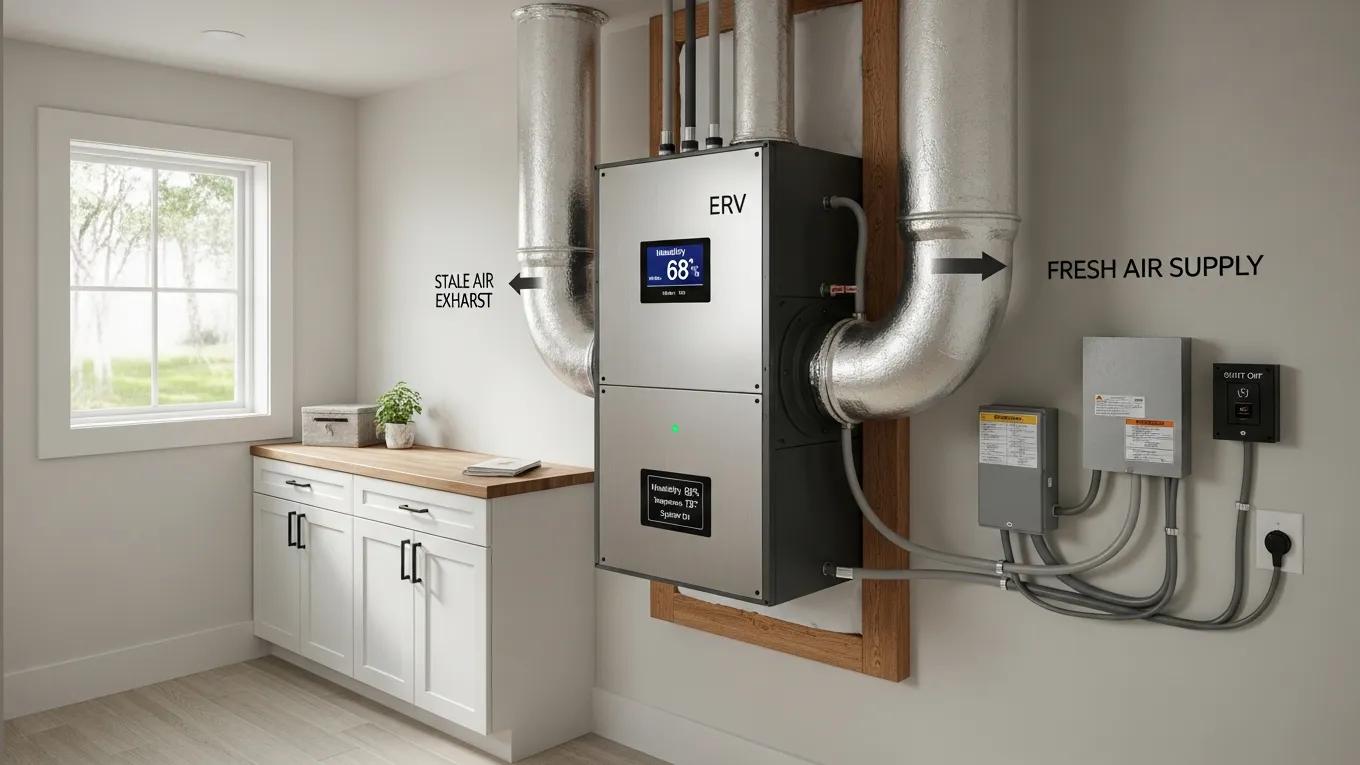
Advanced ventilation solutions are vital for enhancing indoor air quality in custom homes. Energy Recovery Ventilation (ERV) systems are particularly effective, as they exchange stale indoor air with fresh outdoor air while minimizing energy loss. These systems are designed to operate efficiently in Houston’s humid climate, providing a balanced approach to ventilation. Homeowners can benefit from improved air quality, reduced humidity levels, and energy savings through the implementation of ERV systems.
Implementing these systems can significantly enhance the comfort and health of residents in custom homes.
Building Science Expertise
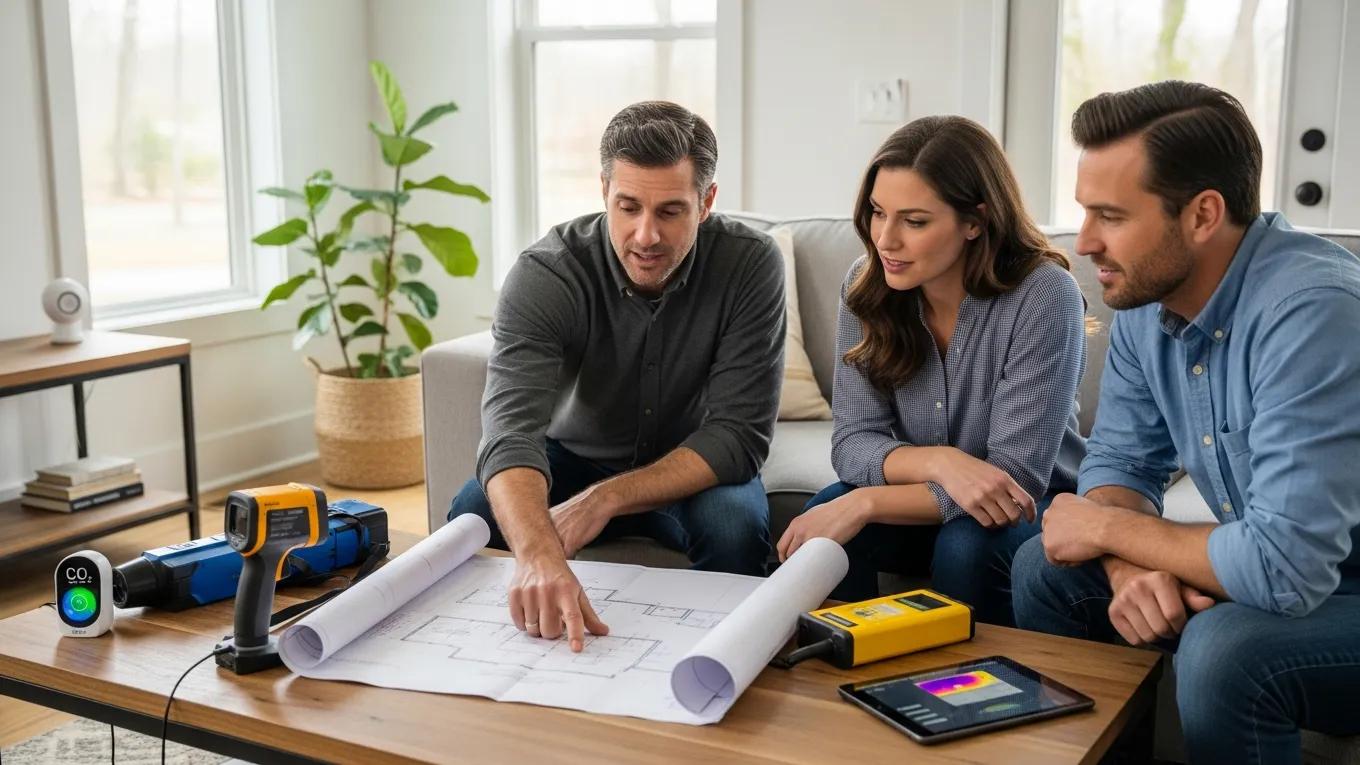
Building science is the study of how buildings interact with their environment, focusing on the principles that govern energy efficiency, moisture control, and indoor air quality. Understanding these principles is essential for creating homes that are not only comfortable but also sustainable. Alquimia Inc. stands out as a trusted advisor in this field, offering expertise in building science to ensure that custom homes are designed with optimal IAQ in mind. This expertise includes selecting appropriate building materials and construction techniques that minimize pollutants and enhance ventilation.
How Do Building Science Principles Elevate Indoor Air Environments?
Building science principles elevate indoor air environments by addressing factors such as thermal performance, moisture management, and air quality. Effective design strategies can prevent issues like mold growth and indoor air pollution, leading to healthier living spaces. For instance, using high-quality insulation and air barriers can significantly reduce energy consumption while maintaining comfortable indoor temperatures.
Which Pollutants Most Impact Residential Air Quality and Health?
Several common pollutants can adversely affect residential air quality, including:
- Volatile Organic Compounds (VOCs): Emitted from paints, cleaning products, and building materials, VOCs can cause headaches and respiratory issues.
- Particulate Matter: Dust, pollen, and pet dander can trigger allergies and asthma.
- Carbon Dioxide: High levels can lead to drowsiness and decreased cognitive function.
Understanding these pollutants is crucial for implementing effective IAQ strategies.
Application in Houston
Houston’s unique climate presents specific challenges for maintaining indoor air quality. High humidity levels can lead to mold growth and discomfort, making effective ventilation solutions essential. Homeowners must consider dehumidification strategies alongside ventilation to ensure a balanced indoor environment. Implementing systems that can handle the local climate’s demands is vital for achieving optimal IAQ.
Indoor Air Quality and Thermal Comfort in Houston, TX Homes
The elderly population is more vulnerable to poor indoor environmental quality. They also spend a larger portion of their time indoors than the general public, further exacerbating the associated health risks. As part of a larger study which aims to understand the health risks for the elderly population resulting from extreme heat events in Houston, TX, this study gathered empirical data on thermal comfort and air quality in existing assisted living facilities and in individual homes of the elderly. We made continuous measurements of indoor dry-bulb temperature, relative humidity, carbon dioxide (CO2) levels and occupancy status in 25 buildings during summer months in 2016 and 2017. Then, using the measured data, we calculated the percentage of hours in which the thermal discomfort index or CO2 levels were above healthy thresholds for each sit
Indoor air quality and thermal comfort for elderly residents in Houston TX—a case study, A Baniassadi, 2018
What Defines Superior Indoor Air Quality in High-End Custom Residences?
Superior indoor air quality in high-end custom residences is characterized by low levels of pollutants, optimal humidity, and effective ventilation. Homeowners should prioritize the following aspects:
- Regular Air Quality Testing: Identifying pollutants and assessing air quality levels.
- Use of High-Quality Materials: Selecting low-VOC paints and finishes to minimize emissions.
- Effective Ventilation Systems: Implementing ERV systems to ensure a continuous supply of fresh air.
Which Installation Considerations Ensure Optimal ERV Performance?
To ensure optimal performance of Energy Recovery Ventilation systems, homeowners should consider:
- Site Assessment: Evaluating the home’s layout and airflow patterns.
- System Sizing: Ensuring the ERV is appropriately sized for the home’s square footage.
- Regular Maintenance: Scheduling routine checks to keep the system functioning efficiently.
Why Is Passive House Design Integral to Exceptional Indoor Air Quality?
Passive House design is integral to exceptional indoor air quality as it emphasizes energy efficiency and airtightness. This design approach minimizes energy consumption while ensuring a comfortable indoor environment. By focusing on high-performance insulation and controlled ventilation, Passive House standards help maintain optimal IAQ.
How Does Airtightness and Controlled Ventilation Improve Home Environments?
Airtightness, combined with controlled ventilation, significantly improves home environments by preventing unwanted air leaks and ensuring a consistent flow of fresh air. This approach reduces energy costs and enhances comfort, making it a key component of modern home design.
What Energy Efficiency Advantages Accompany Passive House Standards?
Passive House standards offer several energy efficiency advantages, including:
- Reduced Energy Consumption: Homes built to these standards require significantly less energy for heating and cooling.
- Lower Utility Bills: Homeowners can expect substantial savings on energy costs.
- Sustainable Living: Emphasizing renewable energy sources and efficient design contributes to environmental sustainability.
How to Select Houston’s Premier Building Science Experts for Custom Home Ventilation?
Selecting the right building science experts is crucial for achieving optimal indoor air quality in custom homes. Homeowners should consider the following criteria:
- Qualifications: Look for certifications in building science and ventilation systems.
- Experience: Choose contractors with a proven track record in custom home projects.
- Reputation: Research reviews and testimonials to gauge the contractor’s reliability and expertise.
What Criteria Distinguish Top-Tier IAQ Contractors in Houston?
Top-tier IAQ contractors in Houston are distinguished by:
- Comprehensive Knowledge: Understanding of local climate challenges and solutions.
- Innovative Solutions: Ability to implement advanced ventilation and building science techniques.
- Customer-Centric Approach: Commitment to addressing client needs and preferences.
Which Services Do Building Science Specialists Provide for IAQ Enhancement?
Building science specialists offer a range of services to enhance indoor air quality, including:
- Home Assessments: Evaluating existing conditions and identifying improvement areas.
- Ventilation System Design: Creating tailored solutions for effective air exchange.
- Ongoing Support: Providing maintenance and monitoring services to ensure long-term performance.