
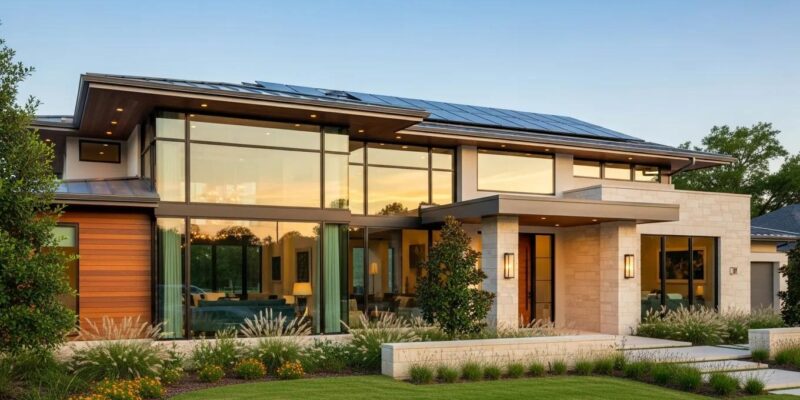
Mastering the Science of Precision Construction by Alquimia Inc.
By Fulton Davenport, Alquimia Inc.
High-performance home construction is revolutionizing the way we think about residential living, particularly in Houston. This approach emphasizes energy efficiency, sustainability, and advanced building science principles, offering homeowners a unique blend of luxury and environmental responsibility. In this article, we will explore the numerous benefits of high-performance home construction, including how it enhances energy efficiency, improves indoor air quality, and elevates the overall living experience. As energy costs rise and environmental concerns grow, understanding these benefits becomes crucial for homeowners looking to invest in their properties. We will delve into the characteristics that distinguish energy-efficient builders, the principles of passive house design, and the role of energy recovery ventilation systems. Additionally, we will highlight how custom kitchen and bathroom remodeling can further enhance energy efficiency in Houston homes.
What Distinguishes Energy-Efficient Home Builders in Houston?
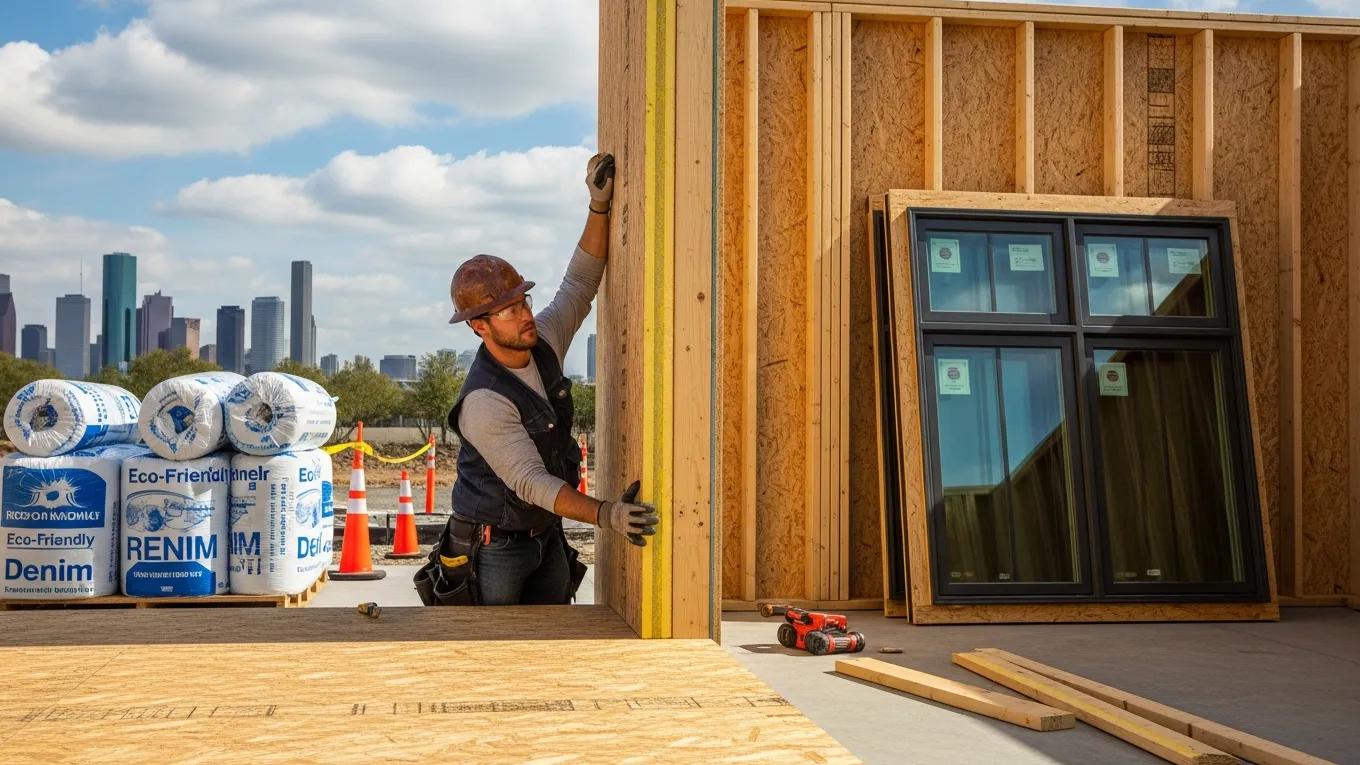
Energy-efficient home builders in Houston are characterized by their commitment to sustainable construction practices and innovative technologies. These builders prioritize energy conservation, utilizing advanced materials and techniques that reduce energy consumption and enhance the overall performance of homes. The importance of energy efficiency in home construction cannot be overstated, as it not only lowers utility bills but also contributes to a healthier living environment.
How Does Alquimia Inc. Exemplify Bespoke Sustainable Home Construction?
Alquimia Inc. stands out in the Houston market for its dedication to high-end residential remodeling and custom home building services. The company specializes in energy efficiency and building science principles, ensuring that each project is tailored to meet the unique needs of its clients. Alquimia’s approach includes the use of sustainable materials and advanced construction techniques, which notatahly enhance the aesthetic appeal of homes but also improve their energy performance. For instance, their projects often incorporate passive house design elements, which significantly reduce energy consumption while maintaining comfort.
Which Advanced Technologies Define Houston’s Premier Passive House Builders?
Leading passive house builders in Houston utilize a range of advanced technologies to achieve superior energy efficiency. These technologies include high-performance insulation, triple-glazed windows, and energy recovery ventilation systems. By integrating these elements, builders can create homes that maintain optimal indoor temperatures with minimal energy input. The benefits of these technologies extend beyond energy savings; they also improve indoor air quality and overall comfort for residents.
How Does Passive House Design Enhance Houston Residences?
Passive house design is a revolutionary approach that focuses on creating homes that are energy-efficient and comfortable year-round. This design philosophy emphasizes the importance of building orientation, insulation, and airtightness, which collectively work to minimize energy loss. The impact of passive house design on energy efficiency is profound, as it can reduce heating and cooling demands by up to 70-90%, making it an ideal choice for homeowners in Houston’s climate.
Passive House Concept in Diverse Climates: Design and Realization
1. The term Passive House refers to a performance-based energy standard for high-efficiency buildings. It is clearly defined, with validity for all climates of the world. Under cold climate conditions, the design typically focuses on minimising heat losses and optimising solar gains. In milder climates, moderate insulation, including improved window qualities, is sufficient, but on the other hand, the building performance during summer requires more careful consideration. For hotter climates, the insulation requirements increase again, and solar loads through windows, walls and roofs must be limited. In hot and humid climates, humidity loads are also minimised or reduced. In practical implementation, every Passive House has its own, specific boundary conditions which lead to different constructions and technical solutions to fulfil the stringent requirements of the Passive House standard. The paper briefly introduces Passive House design principles and criteria. Then, nine examples for passive houses in climates of Canada, the USA, Germany, China, Greece, Spain, Taiwan, Mexico and the United Arab Emirates illustrate the bandwidth of possible solutions. For many projects, practical experiences are available, which typically reveal high user satisfaction and energy consumptions close to what would be expected from the design calculations.
2. Buildup, the European portal for energy efficiency in buildings (2016). Passivistas – The House Project: Retrofit towards nZEB 2020. Highlighted Case September 2016.https://www.buildup.eu/en/practices/cases/passivistas-house-project-retrofit-towards-nzeb-2020. Accessed 27 July 2018.
3. Consoli, A., Costanzo, V., Evola, G., & Marletta, L. (2017). Refurbishing an existing apartment block in Mediterranean climate: towards the Passivhaus standard.Energy Procedia, 111, 397–406.
4. Cordis (1997): CEPHEUS: cost efficient passive houses as European standards.https://cord
Design and realisation of the Passive House concept in different climate zones, M Filippi, 2020
What Are the Core Principles of Passive House Design for Optimal Energy Conservation?
The core principles of passive house design include:
- Airtight Construction: Minimizing air leaks to reduce energy loss.
- High-Performance Insulation: Using superior insulation materials to maintain indoor temperatures.
- Energy Recovery Ventilation: Implementing systems that recover heat from exhaust air to precondition incoming air.
- Solar Orientation: Designing homes to maximize natural light and heat from the sun.
These principles work together to create a living environment that is not only energy-efficient but also comfortable and healthy.
How Does Passive House Architecture Harmonize with Houston’s Climate?
Houston’s climate presents unique challenges for home design, including high humidity and temperature fluctuations. Passive house architecture addresses these challenges by incorporating design elements that enhance comfort while minimizing energy use. For example, strategic window placement allows for natural ventilation, reducing the need for mechanical cooling. Additionally, the use of thermal mass materials helps to regulate indoor temperatures, making homes more resilient to external climate conditions.
In What Ways Do Energy Recovery Ventilation Systems Improve Indoor Air Quality?
Energy recovery ventilation (ERV) systems play a crucial role in maintaining indoor air quality in high-performance homes. These systems work by exchanging stale indoor air with fresh outdoor air while recovering energy from the outgoing air. This process not only improves air quality but also enhances energy efficiency, making it a vital component of modern home design. For homeowners concerned about indoor air quality, understanding ERV systems is key.
What Are the Mechanisms Behind Energy Recovery Ventilation in High-Performance Homes?
Energy recovery ventilation systems operate through a heat exchanger that transfers heat and moisture between incoming and outgoing air streams. This mechanism allows for the preconditioning of incoming air, reducing the energy required for heating or cooling. The benefits of ERV systems include improved indoor air quality, reduced energy consumption, and enhanced comfort for residents.
How Does ERV Technology Contribute to Health and Comfort in Houston Homes?
The implementation of ERV technology in Houston homes significantly improves health and comfort by providing a continuous supply of fresh air while minimizing energy loss. This is particularly important in a humid climate, where maintaining indoor air quality can be challenging. By effectively managing humidity levels and reducing airborne pollutants, ERV systems create a healthier living environment for families.
How Does Custom Kitchen and Bathroom Remodeling Elevate Energy Efficiency?
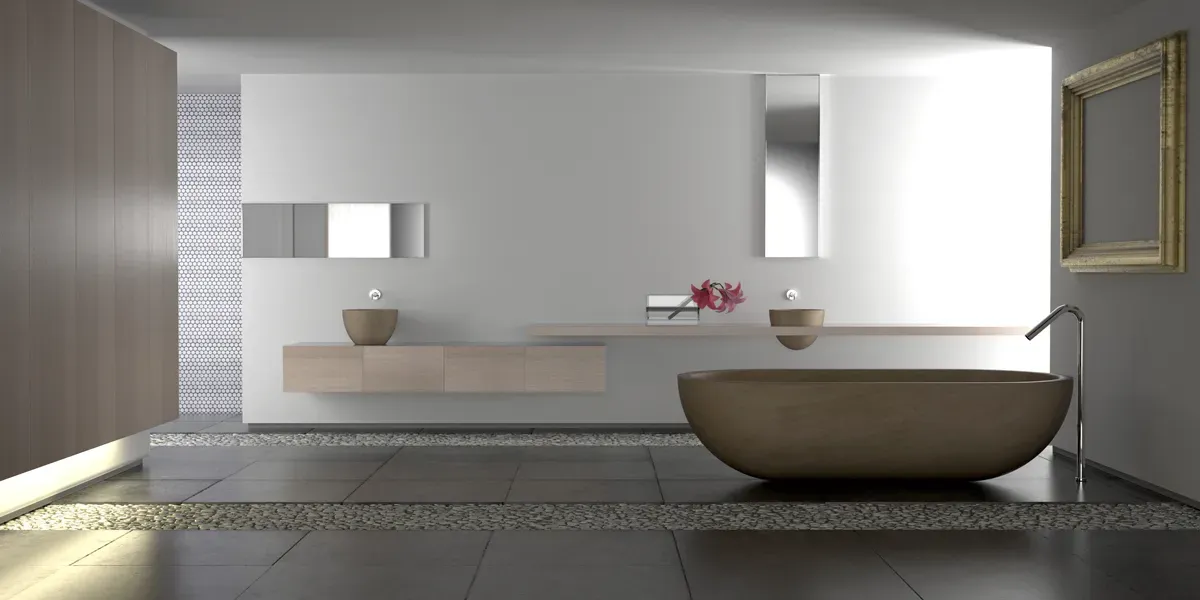
Custom kitchen and bathroom remodeling can greatly enhance a home’s energy efficiency. By incorporating sustainable materials and energy-efficient appliances, homeowners can significantly reduce their energy consumption. Remodeling projects also provide an opportunity to implement building science practices that improve overall home performance. For homeowners looking to upgrade specific areas, a professional kitchen remodel in Houston or a bathroom remodeling project can be a highly effective strategy.
Which Sustainable Materials and Building Science Practices Are Employed in Houston Remodels?
In Houston remodels, sustainable materials such as reclaimed wood, low-VOC paints, and energy-efficient fixtures are commonly used. These materials not only contribute to a healthier indoor environment but also reduce the home’s overall carbon footprint. Building science practices, such as proper insulation and ventilation, are also integrated into remodeling projects to enhance energy efficiency.
What Are the Measurable Benefits of Bespoke Remodeling on Home Performance?
Bespoke remodeling projects can yield measurable benefits in terms of energy savings and improved home performance. Homeowners often report reductions in energy bills of up to 30% after completing energy-efficient remodels. Additionally, these projects can increase the home’s overall value, making it a wise investment for the future.