
Engineering High-Performance Residences per Alquimia Inc.
By Fulton Davenport, Alquimia Inc.
Building science principles play a crucial role in the design and construction of luxury homes, ensuring that they are not only aesthetically pleasing but also energy-efficient and sustainable. This article delves into the core concepts of building science, exploring how these principles enhance luxury home design in Houston. Readers will learn about the integration of energy efficiency, sustainable materials, and advanced ventilation systems, all of which contribute to high-performance homes. As homeowners increasingly seek to balance luxury with sustainability, understanding these principles becomes essential. We will cover topics such as passive house design, energy recovery ventilation, and the benefits of expert remodeling services, providing a comprehensive overview of how building science can elevate luxury home performance.
What Defines Building Science Principles in Luxury Residential Design?
Building science principles encompass the study of how buildings interact with their environment, focusing on aspects such as energy efficiency, indoor air quality, and thermal comfort. These principles are vital in luxury residential design, as they ensure that homes are not only beautiful but also functional and sustainable. By applying building science, architects and builders can create spaces that optimize energy use and enhance the overall living experience. For instance, incorporating high-performance insulation and energy-efficient windows can significantly reduce energy consumption while maintaining comfort.
How Do Building Science Principles Enhance Energy Efficiency in Luxury Homes?
Energy efficiency in luxury homes is achieved through various building science principles, including proper insulation, air sealing, and the use of energy-efficient appliances. These elements work together to minimize energy loss and reduce utility costs. For example, homes designed with advanced insulation materials can maintain consistent indoor temperatures, leading to lower heating and cooling demands. Additionally, integrating smart home technologies allows homeowners to monitor and control energy usage effectively, further enhancing efficiency.
Which Sustainable Materials Exemplify Craftsmanship in High-End Remodeling?
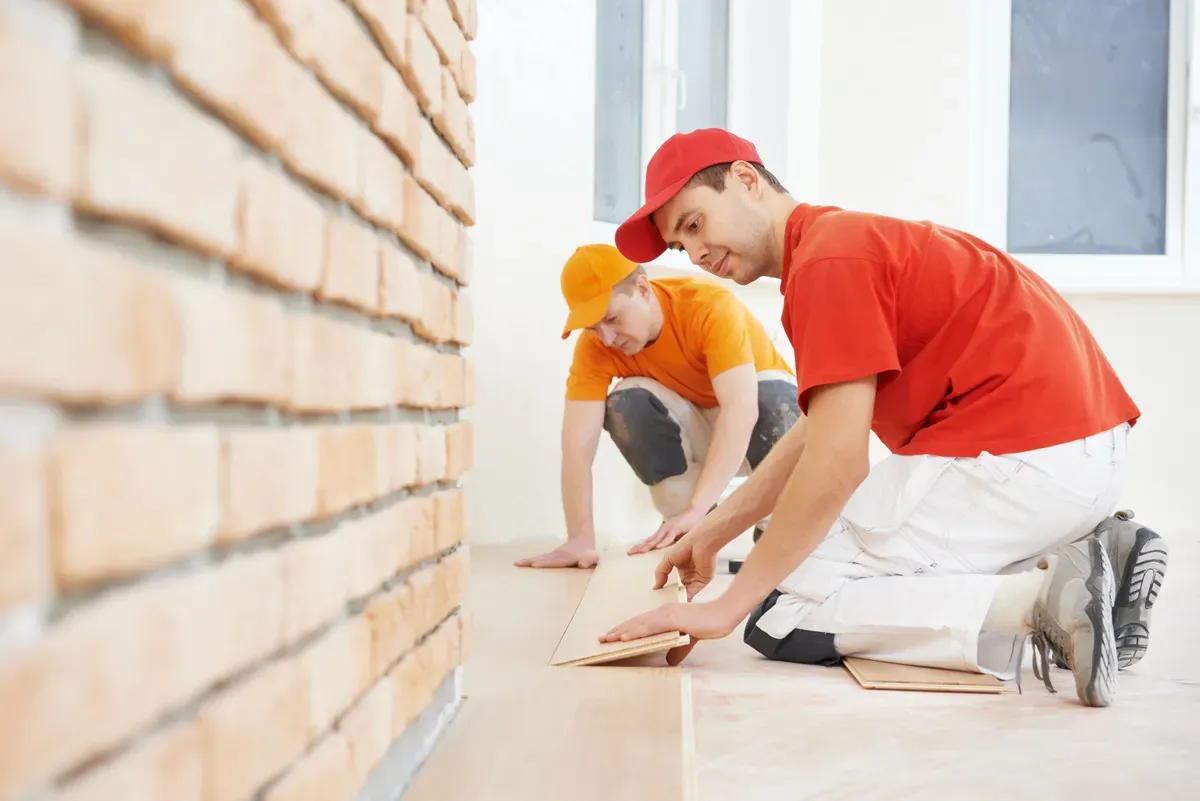
Sustainable materials are essential in high-end remodeling, as they not only contribute to environmental conservation but also enhance the aesthetic appeal of luxury homes. Materials such as reclaimed wood, bamboo, and recycled metal are popular choices among discerning homeowners. These materials exemplify craftsmanship and provide unique character to each project. Furthermore, using sustainable materials often results in healthier indoor environments, as they typically contain fewer harmful chemicals and pollutants.
How Does Passive House Design Elevate Luxury Home Performance in Texas?
Passive house design is a rigorous standard for energy efficiency that significantly reduces a building’s ecological footprint. This design approach focuses on maximizing natural light, optimizing insulation, and ensuring airtight construction. In Texas, where climate conditions can vary widely, passive house principles can be adapted to create comfortable and energy-efficient homes. By prioritizing passive solar gain and minimizing heat loss, luxury homes can achieve remarkable energy savings while maintaining a high level of comfort. For a deeper understanding of this methodology, consider exploring passive house design.
Sustainable and Resilient Architectural Design for Luxury Homes
This paper investigates the applicability of architectural design features in luxury houses through a case study methodology. This study aims to identify and understand the design principles and aesthetics that influence the design of luxury houses. The case study approach involves the analysis of three luxury contemporary houses in Sarawak, each with unique architectural designs. According to the research, seven elements of designing a luxury house were explained. These include security factors, the volume of space, building materials, façade design, interior design, courtyard, and landscape design. These design aspects are achieved by paying close attention to detail and focusing on creating an atmosphere that promotes the resident’s way of life. The research also emphasizes the significance of implementing sustainable design approaches, which contribute to environmental sustainability and increase the value of luxury home designs. In the context of creating more resilient architecture in the future, passive luxury house design can be an effective way to mitigate the risks of extreme weather conditions. Several passive design strategies were implemented and discussed in this paper to create an energy-efficient, comfortable, and healthy building without relying on active systems such as heating and cooling. This study provides an in-depth analysis of the design elements that are considered essential in luxury house design. The findings of this study can be useful for architects, interior designers, and developers in creating more resilient and sustainable luxury houses that meet the expectations of discerning clients.
Applicability of Architectural Design Features in Contemporary Luxury Houses, MWH Jyi, 2023
This research further supports how integrating sustainable design approaches, including passive house principles, not only contributes to environmental sustainability but also enhances the overall value and resilience of luxury home designs.
What Are the Certification Standards for Passive House Builders in Texas?
Certification standards for passive house builders in Texas are established by the Passive House Institute US (PHIUS). Builders must demonstrate proficiency in passive house design and construction techniques to achieve certification. This process involves rigorous testing and verification of energy performance, ensuring that homes meet the stringent criteria for energy efficiency. Certified builders are equipped with the knowledge and skills necessary to implement these advanced design principles effectively.
How Does Passive House Design Integrate with Houston’s Climate and Building Codes?
Integrating passive house design with Houston’s climate and building codes requires careful consideration of local conditions. Houston’s humid subtropical climate necessitates specific design adaptations, such as enhanced ventilation systems and moisture control strategies. By aligning passive house principles with local building codes, builders can create homes that are not only compliant but also optimized for energy performance. This integration ensures that luxury homes remain comfortable year-round while minimizing energy consumption.
In What Ways Do Energy Recovery Ventilation Systems Optimize Indoor Air Quality?
Energy recovery ventilation (ERV) systems are crucial for maintaining indoor air quality in high-performance homes. These systems work by exchanging stale indoor air with fresh outdoor air while recovering energy from the outgoing air. This process helps to regulate humidity levels and improve overall air quality without compromising energy efficiency. In luxury homes, where air quality is paramount, ERV systems provide a sustainable solution that enhances comfort and health. To learn more about the specifics of these systems, you can review what an energy recovery ventilation entails.
What Are the Benefits of Advanced Ventilation Technologies in Luxury Homes?
Advanced ventilation technologies, such as ERV and heat recovery ventilation (HRV) systems, offer numerous benefits for luxury homeowners. These systems not only improve indoor air quality but also enhance energy efficiency by reducing the need for heating and cooling. By ensuring a constant supply of fresh air, these technologies help to mitigate issues related to indoor pollutants and allergens, creating a healthier living environment. Additionally, they can be integrated with smart home systems for optimal control and monitoring. Maintaining high indoor air quality is essential for overall health and comfort.
How Is Indoor Air Quality Measured and Maintained in High Performance Residences?
Measuring and maintaining indoor air quality in high-performance residences involves various techniques and technologies. Common methods include using air quality monitors to track levels of pollutants, humidity, and temperature. Regular maintenance of ventilation systems is also essential to ensure optimal performance. Homeowners can implement strategies such as using low-VOC materials and incorporating plants that naturally purify the air, further enhancing indoor air quality.
Why Choose Luxury Custom Home Remodeling with Building Science Expertise in Houston?
Choosing luxury custom home remodeling with building science expertise offers numerous advantages for homeowners. By integrating building science principles into the remodeling process, homeowners can achieve superior energy efficiency, enhanced comfort, and improved indoor air quality. This approach not only elevates the overall quality of the home but also contributes to long-term sustainability. As the demand for energy-efficient and environmentally friendly homes continues to grow, investing in expert remodeling services becomes increasingly valuable. For those considering a kitchen remodel in Houston, incorporating these principles can lead to a significant upgrade.
How Does Building Science Inform Bespoke Remodeling for Enduring Excellence?
Building science informs bespoke remodeling by providing a framework for making informed design decisions that prioritize energy efficiency and sustainability. For instance, selecting high-performance materials and implementing advanced insulation techniques can significantly enhance a home’s energy performance. Additionally, understanding the principles of thermal dynamics allows designers to create spaces that are comfortable year-round. This expertise ensures that luxury remodels not only meet aesthetic goals but also deliver lasting value. Similarly, a well-executed bathroom remodeling project can also benefit greatly from these principles.
What Are the Key Considerations for Integrating Sustainability and Aesthetics?
Integrating sustainability and aesthetics in luxury home design requires a thoughtful approach that balances both elements. Key considerations include selecting materials that are both visually appealing and environmentally friendly, as well as designing spaces that maximize natural light and ventilation. Collaborating with experienced designers who understand building science principles can help homeowners achieve this balance, resulting in beautiful, sustainable homes that stand the test of time.
This table illustrates how various design elements contribute to the overall performance and sustainability of luxury homes, emphasizing the importance of integrating building science principles into the design process.