

By Fulton Davenport, Alquimia Inc.
As Houston’s high-rise condominiums evolve to meet modern comfort and efficiency standards, the importance of a reliable heating and cooling system cannot be overstated. A 4-pipe hydronic HVAC system stands out as a prime choice due to its ability to deliver both heating and cooling through a single system, offering considerable energy savings and enhanced comfort for residents. This guide will provide condo owners with essential insights into the benefits, necessity, and process of replacing outdated HVAC systems, tailored specifically to the unique demands of high-rise living in Houston. In addition, we’ll explore criteria for selecting the right HVAC contractor to ensure a seamless transition to modern systems.
What Are the Key Benefits of a 4-Pipe Hydronic HVAC System for Houston High-Rise Condos?
A 4-pipe hydronic HVAC system offers several key benefits that are particularly advantageous for high-rise condos in Houston. First, these systems enhance energy efficiency, which translates into cost savings on utility bills. Second, they improve comfort levels throughout the unit by providing precise temperature control. Lastly, these systems are designed with sustainability in mind, allowing buildings to meet increasingly stringent energy efficiency standards.
How Does a 4-Pipe Hydronic System Improve Energy Efficiency and Comfort?
The 4-pipe configuration functions by allowing the simultaneous heating and cooling of different areas within a condo, utilizing a series of pipes that circulate water to transfer thermal energy. This mechanism not only reduces energy consumption compared to traditional systems but also ensures that rooms can be kept at desired temperatures with minimal fluctuations. For example, residents may notice a decrease in energy bills alongside an improvement in overall comfort, as the system can quickly respond to changing heating or cooling needs.
What Makes Hydronic Heating and Cooling Solutions Ideal for High-Rise Condo Renovations?
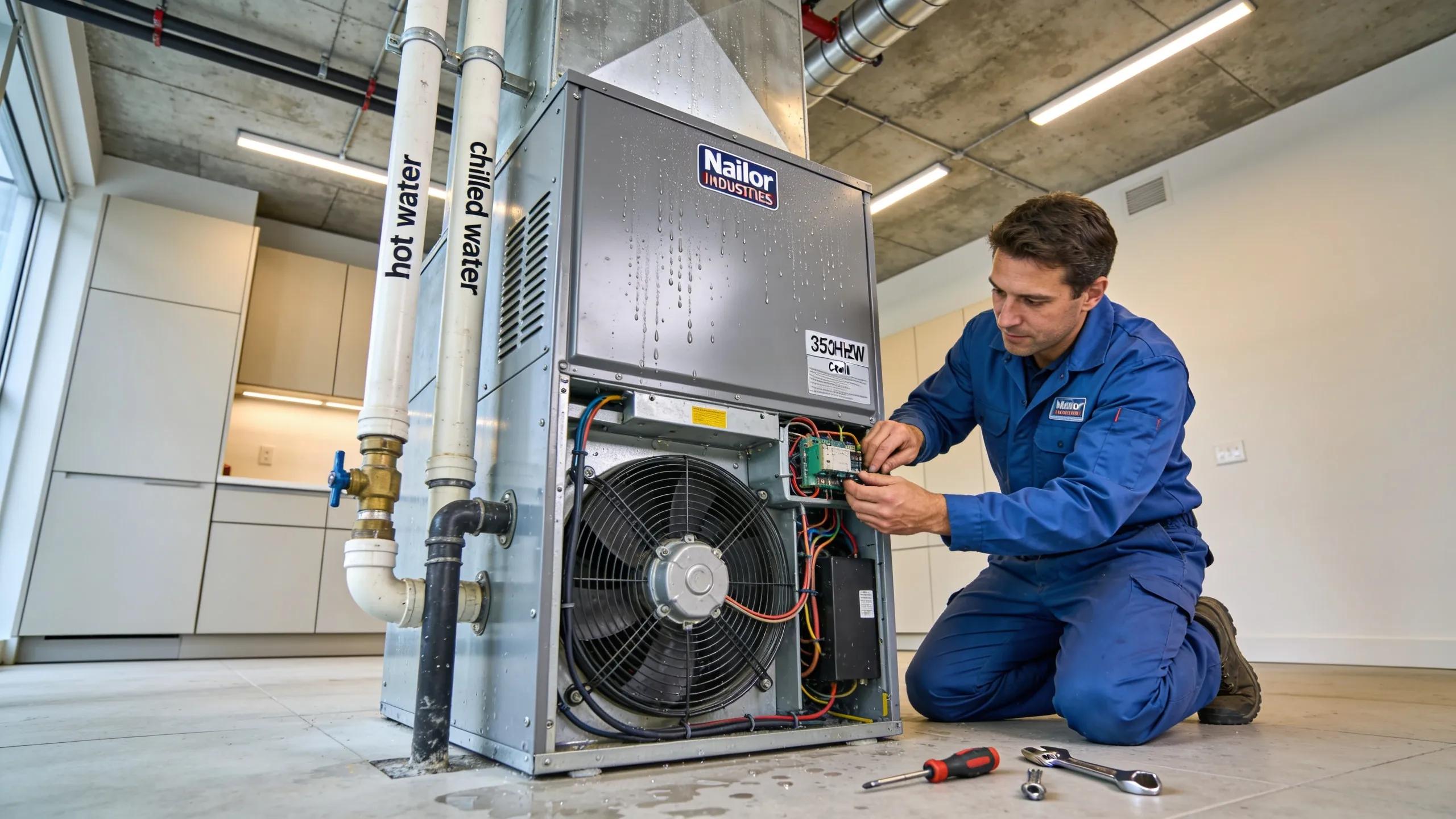
Hydronic heating and cooling systems are well-suited for high-rise condo renovations due to their flexibility and adaptability. They can easily integrate into existing infrastructure, minimizing disruptions during retrofitting. This adaptability is crucial for projects where maintaining the aesthetic and functionality of the building is vital. Furthermore, the retrofitting process for hydronic systems is typically less invasive than for other HVAC configurations, allowing residents to continue their daily activities with minimal interruption. For those considering broader property updates, exploring services like condo renovation can provide a comprehensive approach to enhancing living spaces.
Why Is Replacing an Outdated 4-Pipe Hydronic HVAC System Necessary in Houston High-Rise Condos?
Older 4-pipe hydronic HVAC systems can become less efficient over time, leading to increased energy consumption and maintenance costs. However, knowing when to replace these systems is crucial for ensuring ongoing comfort and efficiency in high-rise condos.
What Are the Signs Your Condo’s Hydronic HVAC System Needs Replacement?
Several symptoms indicate that a condo’s hydronic HVAC system may require replacement:
- Frequent Breakdowns: If the system requires more repairs than usual, it may be nearing the end of its lifespan.
- Inconsistent Heating and Cooling: If certain areas of the condo are too hot or too cold, it may reflect inefficiencies in the system.
- Spike in Energy Bills: A sudden increase in energy costs without changes in usage can signal system inefficiencies.
How Do Houston Building Codes and Energy Regulations Impact HVAC Retrofits?
Houston’s building codes and energy regulations play a critical role in HVAC retrofits, especially as they evolve to prioritize energy efficiency. Compliance with these regulations is not only crucial for legal reasons, but also ensures that the installed systems meet current safety and performance standards. This adaptation helps condo owners avoid potential fines, improves indoor air quality and occupant comfort through better ventilation, and enhances the overall value and marketability of their property.
What Is the Step-by-Step Process for Replacing a 4-Pipe Hydronic HVAC System in a Houston High-Rise?
Replacing an outdated hydronic HVAC system involves several steps that are vital for a successful retrofit. From initial assessments to final installation, understanding the process can ease concerns for condo owners.
How Long Does a Typical High-Rise Hydronic HVAC Retrofit Take?
Typically, replacing a 4-pipe hydronic HVAC system in a high-rise condo can take anywhere from 8 to 12 weeks, depending on the complexity of the project and the building’s specific configurations. Factors including the size of the condo and the condition of existing infrastructure can influence this timeframe.
What Common Challenges Arise During High-Rise HVAC Replacements and How Are They Solved?
Common challenges during a high-rise HVAC replacement include:
- Site Access Issues: Limited access to equipment lifts and supply routes can complicate installations. Effective planning and coordination with building management are critical to mitigate these challenges.
- Coordination with Condo Boards: Engaging with condo boards early in the planning process can smooth the path for approvals and align stakeholder interests.
How Do Houston Condo Owners Choose the Right Contractor for Hydronic HVAC Replacement?
Selecting the right contractor for replacing a 4-pipe hydronic HVAC system is critical. Owners must evaluate potential contractors based on key criteria that can influence the outcome of the project.
What Criteria Should You Use to Evaluate High-Rise HVAC Retrofit Specialists?
When choosing a contractor, consider the following criteria:
- Licensing and Insurance: Ensure the contractor is licensed and carries liability insurance to protect against damages during installation.
- Experience in High-Rise Projects: A contractor familiar with the unique challenges of high-rise buildings is invaluable for a successful renovation.
- Cost Transparency and Communication: Clear communication regarding project costs and timelines will foster a smoother working relationship.
How Important Are Energy Recovery Ventilation Systems in Your HVAC Upgrade?
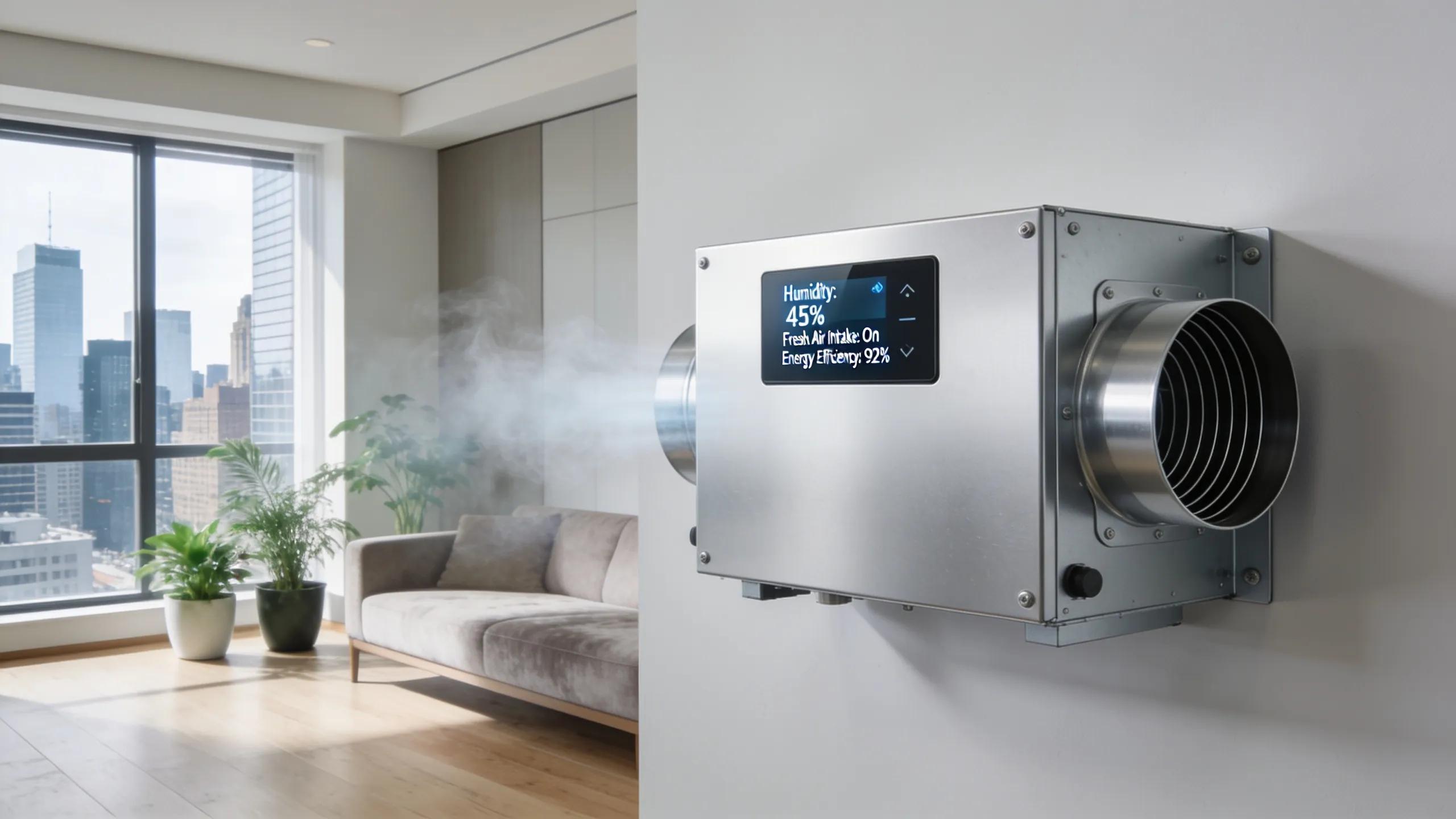
Energy recovery ventilation (ERV) systems can significantly enhance the efficiency of HVAC upgrades. By pre-conditioning incoming outdoor air, ERVs reduce the burden on heating and cooling systems, thereby increasing energy efficiency and improving indoor air quality. Understanding what an energy recovery ventilation system does is key to maximizing the benefits of your upgrade.
Integrating these systems into a new hydronic HVAC installation can provide substantial energy savings and enhanced comfort for high-rise residents. Proper air management is crucial, and solutions like ERVs directly contribute to healthier living environments, much like how maintaining good indoor air quality is paramount in any home.
Different aspects of HVAC systems contribute uniquely to overall performance and efficiency. Understanding these components helps ensure well-informed decisions when undergoing retrofits.
The strategic replacement of outdated HVAC systems with modern, efficient alternatives can lead to significant improvements in energy consumption and resident comfort. High-rise condo owners are encouraged to prioritize these upgrades. For those undertaking substantial home improvements, considering full remodels for areas like the kitchen or bathroom alongside HVAC upgrades ensures a holistic approach to home enhancement. Investing in systems that promote energy efficiency aligns with modern building philosophies, such as those found in passive house design, which prioritizes long-term sustainability and comfort.