
How Building Science Improves Indoor Air Quality and Energy Efficiency
Elevating indoor air quality through smart building science can significantly slash health risks, trim energy expenses, and cultivate wonderfully comfortable living spaces. Today’s structures often trap pollutants, moisture, and heat, paving the way for respiratory woes, mold infestations, and sky-high utility bills. This guide dives into applying construction building science in Houston, TX, to master air, moisture, and thermal flows, perfect the building envelope, deploy smart ventilation, and choose low-VOC materials. We’ll unpack:
- What Exactly Is Building Science and How Does It Elevate Indoor Air Quality?
- How Does the Building Envelope Play a Crucial Role in Indoor Air Quality?
- Which Ventilation Strategies Are Key to Optimizing Indoor Air Quality?
- How Does Smart Moisture Control Act as a Shield Against Mold and Boost Indoor Air Quality?
- How Do Low-VOC Materials and Source Control Elevate Indoor Air Quality?
- How Do We Monitor and Measure Indoor Air Quality for Peak Building Performance?
- What Are the Distinct Building Science Hurdles and Solutions for Houston’s Unique Climate?
Each section kicks off with a crisp definition, its mechanism, and its benefits, designed to deliver featured-snippet-ready answers.
What Is Building Science and How Does It Elevate Indoor Air Quality?
Building science harnesses the power of physics to craft enclosures that precisely manage heat, air, and moisture movement. This meticulous control dramatically enhances indoor air quality by minimizing pollutant intrusion, curbing mold development, and ensuring peak occupant comfort.
What Are the Foundational Principles of Building Science for IAQ?
Achieving superior indoor air quality hinges on three interconnected principles:
- Airflow Mastery: Seal up leaks to prevent outdoor contaminants from creeping in and conditioned air from escaping.
- Moisture Vigilance: Implement robust drainage planes, vapor barriers, and drying pathways to thwart condensation and mold.
- Thermal Precision: Employ insulation and thermal breaks to maintain steady temperatures, thereby reducing HVAC strain and humidity fluctuations.
These principles work in concert to forge buildings that are not only durable and healthy but also remarkably energy-efficient, championing occupant well-being and slashing operational costs.
How Does Building Science Tackle Air, Moisture, and Heat Flow?
A well-balanced enclosure relies on continuous air barriers, capillary-break drainage layers, and meticulously detailed insulation assemblies. Controlling airflow halts particulate infiltration, managing moisture prevents mold, and precise thermal regulation slashes energy consumption while stabilizing humidity. This integrated approach supercharges building performance and indoor health.
What Roles Do Building Scientists and Industry Benchmarks Play in IAQ?
Building scientists meticulously analyze assemblies, rigorously test enclosures, and champion best practices guided by standards like ASHRAE 62.1 for ventilation rates and EPA guidelines for pollutant mitigation. These experts ensure strict compliance, validate performance, and translate complex science into actionable design and construction methodologies.
ANSI/ASHRAE Standard 62.1-2022, Ventilation and Acceptable Indoor Air Quality
This pivotal standard lays out the minimum ventilation rates and other essential measures designed to ensure indoor air quality (IAQ) that is not just acceptable but optimal for human occupants, while actively minimizing adverse health impacts. It provides clear procedures and methods for meeting these crucial ventilation and IAQ requirements for engineers, design professionals, building owners, and regulatory authorities. The 2022 edition reflects the latest research and advancements in building systems.
This standard is a cornerstone reference in the article, directly informing discussions on ventilation rates and pollutant mitigation, establishing a fundamental industry benchmark for IAQ.
How Does the Building Envelope Impact Indoor Air Quality?
A masterfully designed building envelope acts as the primary regulator of air, moisture, and thermal transfer. This direct control profoundly influences pollutant infiltration, condensation risks, and energy consumption, ultimately paving the way for superior indoor air quality.
What Are the Essential Components of a Healthy Building Envelope?
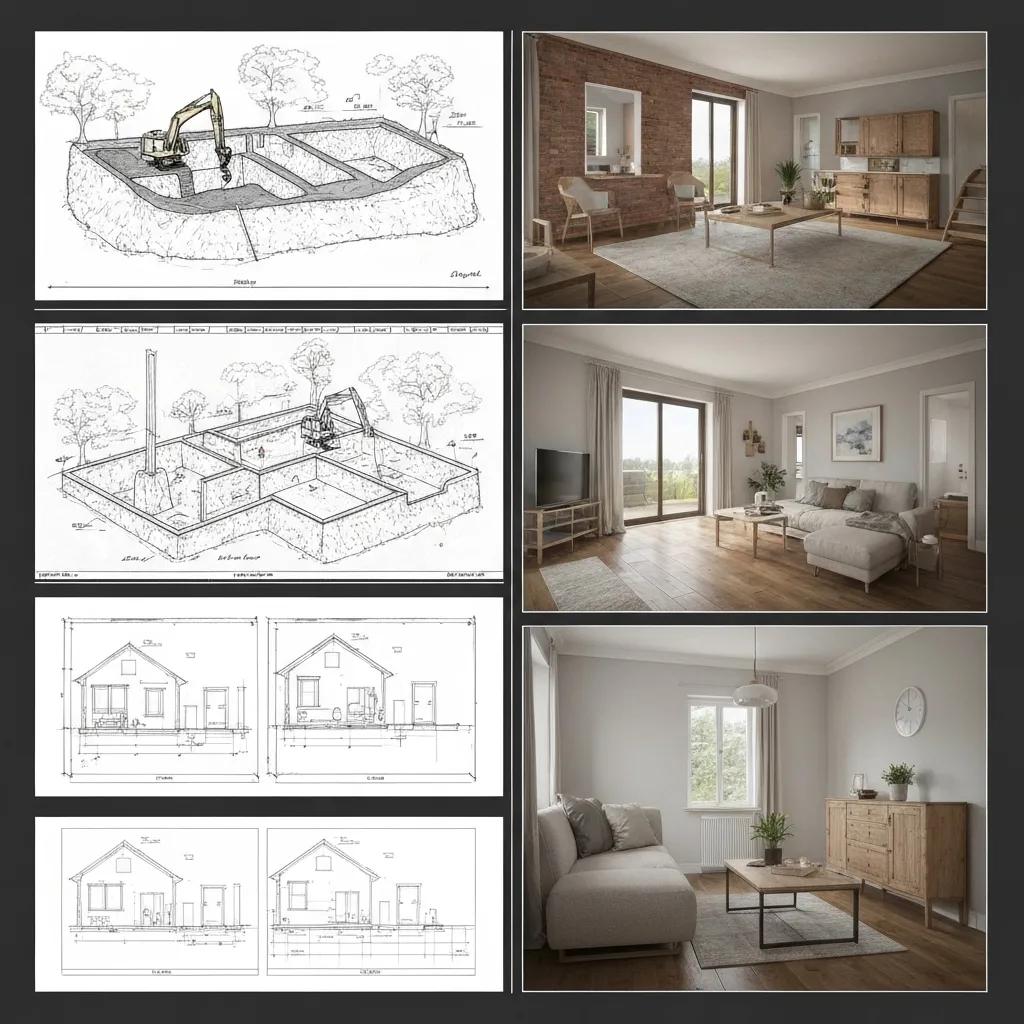
Before we list the components, let’s consider how each element contributes to superior air and moisture control.
- Walls and Roof: Continuous insulation and robust air-barrier membranes are your first line of defense against leaks.
- Windows and Doors: Opt for high-performance frames and meticulous weatherstripping to ensure airtight seals.
- Foundation and Slab Edges: Employ capillary breaks and effective sealants to decisively block ground moisture.
A cohesive, well-executed envelope guarantees uniform protection, drastically reducing air leakage and moisture intrusion that can compromise indoor health.
How Does Air Leakage Undermine Indoor Air Quality and Energy Efficiency?
Uncontrolled air leaks act as conduits, drawing in outdoor pollutants like pollen and smog, and allowing precious conditioned air to escape. By slashing infiltration by a significant 50%, you can dramatically improve IAQ and cut heating and cooling energy costs by up to 15%, translating directly into healthier indoor environments and noticeably lower utility bills.
What Are Cutting-Edge Air Sealing Techniques for Enhanced IAQ?
Achieve superior air sealing with these advanced methods:
- Fluid-Applied Membranes: Expertly sprayed at critical joints, these form seamless, impenetrable barriers.
- Spray Polyurethane Foam: Ideal for filling tricky voids around penetrations and rim joists, creating an airtight seal.
- Pre-Manufactured Gaskets and Tapes: Ensure absolute continuity at window and door perimeters for a flawless seal.
These sophisticated techniques forge uniform air barriers, effectively closing off leakage pathways that can introduce harmful pollutants and unwanted moisture.
How Does Building Envelope Commissioning Guarantee IAQ Performance?
Building Envelope Commissioning (BECx) is a systematic process that rigorously verifies design intent, material installation accuracy, and overall performance. Through meticulous blower-door tests, infrared scans, and moisture intrusion inspections, BECx confirms that air and water barriers function flawlessly, delivering the promised IAQ and energy efficiency benefits.
What Ventilation Strategies Optimize Indoor Air Quality?
Balanced ventilation systems are the unsung heroes, diligently supplying fresh air, exhausting stale air, and ingeniously recovering energy. This process dramatically reduces pollutant concentrations while minimizing heating and cooling loads.
How Do Mechanical Ventilation Systems Like HRVs and ERVs Operate?
Heat Recovery Ventilators (HRVs) masterfully transfer sensible heat between incoming and outgoing air streams. Energy Recovery Ventilators (ERVs) go a step further, also exchanging moisture. Both systems are crucial for maintaining comfort and precise humidity control:
These advanced systems dilute indoor pollutants effectively, all with a minimal energy penalty.
What Are the Advantages of Demand-Controlled and Natural Ventilation?
Demand-Controlled Ventilation intelligently adjusts air exchange rates based on real-time occupancy or pollutant sensor data, optimizing IAQ and energy usage. Natural ventilation, on the other hand, artfully harnesses prevailing winds and the stack effect through operable windows, promoting passive airflow when outdoor conditions are favorable, further reducing reliance on mechanical systems.
How to Select High-Efficiency Air Filters (MERV, HEPA) for Superior Indoor Air Quality?
Choosing the right filters involves a careful balance between effective particulate removal, minimal pressure drop, and energy efficiency:
- MERV 13–16: These filters excel at capturing fine particles (PM2.5) while maintaining moderate airflow resistance.
- HEPA: These capture over 99.97% of particles ≥0.3 µm but necessitate higher fan power.
Selecting the appropriate filters and maintaining them diligently directly reduces airborne contaminants without imposing an undue burden on energy consumption.
How Does Moisture Control Prevent Mold and Improve Indoor Air Quality?
Mastering moisture flow within building assemblies is paramount to preventing mold growth, averting material degradation, and ensuring pristine IAQ, all while safeguarding occupant health and the building’s long-term durability.
What Building Science Principles Guide Effective Moisture Management?
Effective moisture control is a multi-faceted strategy that integrates:
- Drainage Planes: These expertly redirect bulk water away from the building’s structure.
- Vapor Barriers: Strategically placed to impede vapor diffusion, especially crucial in challenging climates.
- Drying Capacity: Ensuring inward and outward vapor permeability allows incidental moisture to dissipate effectively.
These layered, science-backed strategies effectively eliminate the conditions that foster mold proliferation.
How Can Condensation and Humidity Issues Be Prevented in Buildings?
Prevent condensation by ensuring all interior surfaces remain consistently above the dew point, achieved through continuous insulation and balanced ventilation. Maintain ideal indoor humidity levels (30–50%) using ERVs, dehumidifiers, and robust exhaust systems for high-moisture zones like bathrooms and kitchens.
What Are the Top Practices for Mold Prevention and Remediation Using Building Science?
Proactively prevent mold by designing assemblies that efficiently shed water, meticulously sealing leaks, and ensuring adequate ventilation in all spaces. When mold is present, remediation involves removing compromised materials, applying appropriate biocidal treatments, and, crucially, correcting the underlying moisture sources. A science-driven approach guarantees enduring IAQ and structural integrity.
How Do Low-VOC Materials and Source Control Elevate Indoor Air Quality?
Minimizing volatile organic compound (VOC) emissions right at the source is a powerful strategy for reducing indoor pollutant loads, cultivating healthier interiors, and advancing green building objectives.
What Are Low-VOC Building Materials and Their Health Advantages?
Low-VOC paints, adhesives, and finishes are formulated to emit fewer irritants, leading to enhanced occupant comfort and a significant reduction in common issues like headaches, respiratory irritation, and allergic reactions often triggered by formaldehyde and other volatile chemicals.
How to Pinpoint and Mitigate Common Indoor Pollutant Sources?
Key sources of indoor pollutants include:
- Pressed-wood products (a common source of formaldehyde)
- Household cleaning chemicals (often containing volatile solvents)
- Off-gassing furnishings (which can release phthalates)
Effective mitigation involves making informed choices by selecting certified low-emission products, boosting ventilation rates, and employing air purifiers to capture any residual contaminants.
How Do Green Building Certifications Like LEED and WELL Champion IAQ?
Prestigious certifications like LEED and WELL award valuable credits for implementing robust source control measures, enhancing ventilation systems, and promoting material transparency. These comprehensive frameworks guide project teams to adopt strategies that demonstrably improve air quality, boost occupant health, and elevate overall environmental performance.
How Is Indoor Air Quality Monitored and Measured for Peak Building Performance?
Continuous monitoring and periodic, rigorous testing are essential to verify IAQ performance, inform necessary corrective actions, and establish a clear link between environmental quality and occupant well-being.
What Are Continuous IAQ Monitoring Systems and Sensors?
Modern systems seamlessly integrate sensors for CO₂, PM₂.₅, VOCs, temperature, and humidity directly into building automation systems. This provides real-time data, enabling precise adjustments to ventilation and ensuring target air quality levels are consistently maintained.
What Are the Standard IAQ Testing Protocols and Best Practices?
Professional IAQ testing adheres to established standards, such as ASTM D7890 for particulate measurement and EPA protocols for VOC sampling. Regular, systematic testing is crucial for identifying emerging issues and validating the effectiveness of implemented systems.
How Does IAQ Directly Impact Occupant Health and Productivity?
Compelling research indicates that optimal IAQ can boost cognitive function by as much as 61%, significantly reduce absenteeism, and enhance overall comfort levels. Improved air quality is consistently correlated with fewer sick-building symptoms and higher levels of workplace productivity.
Associations of Cognitive Function Scores with Carbon Dioxide, Ventilation, and Volatile Organic Compound Exposures in Office Workers: A Controlled Crossover Intervention Study of Green and Conventional Office Environments
This groundbreaking controlled crossover study provides compelling evidence that enhanced indoor air quality—specifically, lower levels of carbon dioxide and volatile organic compounds—significantly boosts cognitive function in office workers. Participants consistently achieved higher scores in critical areas like crisis response, information usage, and strategic thinking when situated in optimized green building environments compared to conventional settings.
This pivotal research powerfully supports the article’s assertion that optimal indoor air quality can dramatically elevate cognitive function and enhance overall productivity.
How Are Building Performance Standards Integrated with IAQ Management?
Holistic programs, such as ASHRAE Building EQ, adeptly combine energy usage and IAQ metrics into balanced scorecards. This empowers facility managers to concurrently optimize both occupant health and operational efficiency.
What Are the Unique Building Science Challenges and Solutions for Houston’s Climate?
Houston’s distinctive subtropical climate—characterized by pervasive high humidity, substantial rainfall, and the ever-present hurricane risk—necessitates specialized building science strategies to uphold superior air quality and ensure robust resilience.
How Does Houston’s Humidity Influence Moisture Control Strategies?
The persistent high outdoor humidity in Houston accelerates vapor drive into building assemblies. Effective solutions involve deploying high-performance vapor retarders on the interior (warm) side, incorporating ventilated rainscreen cladding, and utilizing ERVs to meticulously manage indoor moisture loads.
What Building Envelope Designs Enhance IAQ and Hurricane Resilience in Houston?
Fortifying building envelopes with impact-resistant windows, meticulously sealed entry points, and pressure-balanced wall assemblies is key. These measures effectively control infiltration and resist driving rain, preventing moisture intrusion and pollutant ingress, especially during severe storm events.
How Do Local Building Codes Shape Indoor Air Quality Practices in Houston?
Houston’s building codes mandate minimum ventilation rates and require flood-resilient construction practices. By strategically leveraging local amendments—such as enhanced roof-to-wall connections and superior moisture barriers—builders can ensure full compliance while simultaneously promoting exceptional IAQ.
What Are Effective HVAC and Ventilation Solutions for Texas Climate IAQ?
Beyond ERVs and demand-controlled systems, zoned dehumidification and dedicated outdoor air systems (DOAS) are highly effective for managing latent loads efficiently in Texas. When paired with high-efficiency filters and UV-C air treatment, these integrated solutions consistently maintain healthy indoor environments year-round.
Across all climates and building types, the diligent application of building science principles—mastering airflow control, moisture management, and thermal regulation—is the definitive path to achieving optimal indoor air quality, superior energy efficiency, and enhanced occupant health. In Houston, specifically, adapting envelope details and ventilation strategies to the local climate ensures the creation of resilient, high-performance buildings that offer robust protection for both people and valuable assets.